
For Digital Citizenship Week, the importance of curating personalized learning spaces using School AI cannot be overstated. These AI-enhanced environments provide students with tailored educational experiences that promote safe, responsible, and effective online interactions. By integrating AI tools, educators can deliver content that not only aligns with each student’s learning pace and style but also addresses the nuanced demands of digital literacy. This personalization helps foster a more engaging and relevant learning experience, equipping students with critical digital skills necessary in today’s tech-driven world. Moreover, AI-driven analytics can offer insights into student behaviors and trends, enabling educators to continuously refine their approaches to meet the evolving needs of digital citizenship education effectively.
Whether you are celebrating Digital Citizenship Week or implementing digital citizenship lessons, School AI has a range of templates to explore and adapt. Try out these ready-to-use resources to enhance your curriculum and engage students in meaningful discussions about responsible digital behavior.
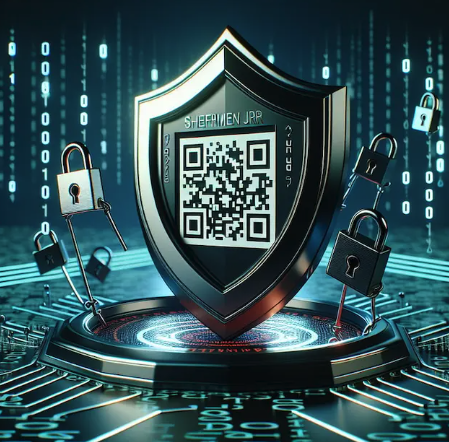
Passwords Privacy and Security
In this space, students will only learn the importance of strong passwords for online privacy and security. We’ll explore strategies for creating passwords that are secure, memorable, and manageable for kids, in line with digital safety and data privacy standards.
Stopping Digital Abuse in its Tracks
Explore the challenges of online interactions and equip your students with the tools to promote kindness in digital spaces. This space uses role play to help second graders understand the nuances of online communication, identify mean behavior, and respond appropriately using the S-T-O-P framework. It’s a valuable lesson in digital citizenship, tailored to young learners.
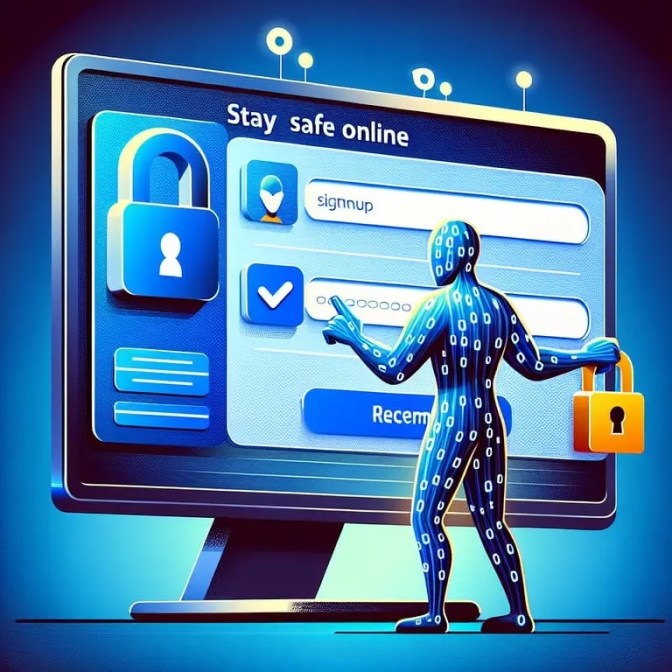
That’s Private: Understanding Digital Privacy
That’s Private: A space designed to introduce 2nd grade students to the fundamentals of online privacy. Through interactive scenarios where students help a Digital Citizen navigate app sign-ups, they learn to distinguish between public and private information. This engaging activity reinforces the importance of keeping personal data secure and encourages smart online behavior.
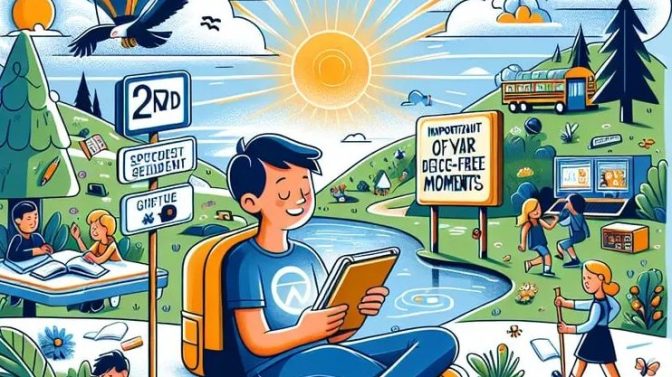
Device Free Moments: Embracing Tech-Free Time
In the ‘Device Free Moments’ space, students learn the importance of taking breaks from digital devices for mental clarity and social engagement. By identifying moments for device-free time, students will understand the impact of technology on attention and concentration. Engage second graders in recognizing digital distractions and defining family rules for tech use.

Navigating Online Conflict: Resolve Digital Disputes
In the ‘Navigating Online Conflict’ space, teachers will guide students through the challenges of digital communication. The aim is to foster empathy and equip students with practical strategies for managing cyberbullying. They’ll learn the S-T-O-P approach to responding to negativity, discuss the implications of their digital footprint, and understand the importance of digital etiquette and privacy.

Empowering Kids with Online Tools: Understanding Digital Responsibility
Empower your students to navigate digital spaces with confidence and responsibility. This space is designed to help students understand the importance of digital citizenship and the impact of their online actions. They will explore the concept of cyberbullying, learn how to become effective upstanders, and creatively express their understanding by crafting a superhero comic strip that champions digital responsibility.

Taking a Stand: Strategies for Addressing Cyberbullying and Supporting Others
Cyberbullying is a pressing issue in the digital age, often leaving long-term impacts. This space provides educators with a comprehensive guide to teaching students about the differences between cyberbullying and other forms of digital conflict, fostering empathy, and empowering them to become upstanders. Engage students with scenarios, discussions, and strategies to effectively handle cyberbullying and support peers.
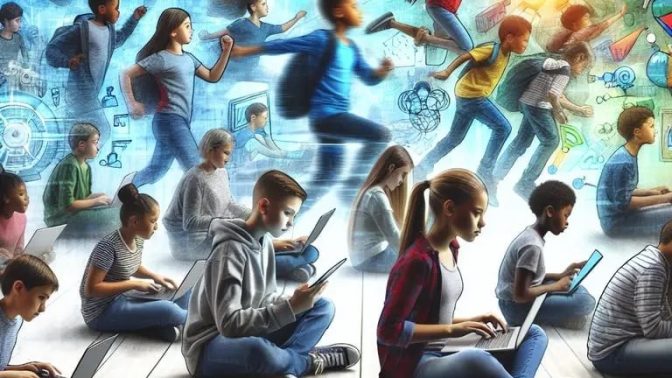
Digital Accountability: Recognizing Our Responsibilities to Others Online
This space delves into the concept of digital accountability, focusing on the responsibility that third-grade students have towards others while interacting online. Through engaging discussions and activities, students will explore the impact of their online actions, learn about the Rings of Responsibility, and understand the importance of respectful digital citizenship. The space aims to foster a sense of community and encourage ethical online behavior.

Private vs. Personal: Knowing the Difference in the Digital World
As more of our lives shift online, it’s crucial to understand the distinction between private and personal information. This space is designed to help 4th-grade students recognize the difference and navigate the digital world with safety and confidence. Lessons cover why people share online, the boundaries between personal and private data, and the risks of sharing too much. Equip your students with the knowledge to manage their digital footprint responsibly.

Smart Surfing: Strategies to Avoid Clickbait Traps
In ‘Smart Surfing: Strategies to Avoid Clickbait Traps,’ teachers will equip 5th graders with the critical thinking skills needed to identify and avoid misleading clickbait online. The space covers the concept of the curiosity gap, the mechanics behind clickbait, and practical strategies to surf the web more wisely. Interactive activities help students apply these skills in real-world scenarios.
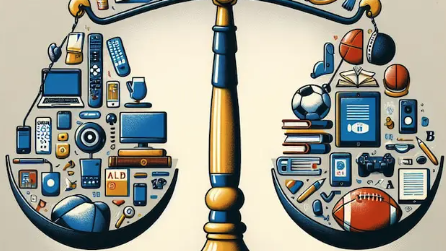
Defining Healthy Media Habits: Crafting Your Personal Media Balance
Introduce 4th graders to the concept of media balance with this interactive space. Students will explore the ‘What? When? How Much?’ framework, understand the impact of their media choices, and learn to evaluate and manage their digital footprint. They will also gain insights into the importance of respecting intellectual property online.
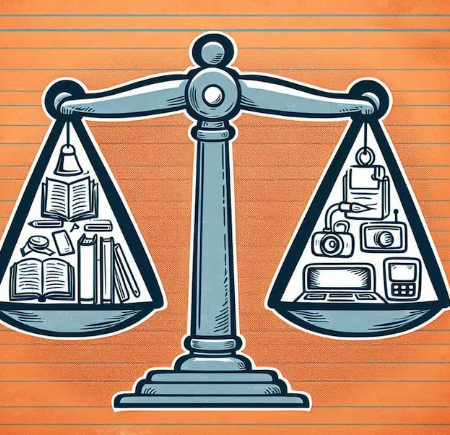
What Does Media Balance Mean to You?
Grade Level: Elementary (if remix, you can update the prompt for desired grade level).
In ‘What Does Media Balance Mean to You?’, teachers can equip 5th-grade students with the understanding needed to navigate the digital world responsibly. The space focuses on personal reflection, the concept of media balance, and practical steps for creating a media plan suited to students’ lives. It aligns with digital literacy standards and encourages critical thinking about media consumption.

Detecting the Fake: Analyzing Altered Photos and Videos
In the ‘Detecting the Fake: Analyzing Altered Photos and Videos’ space, 3rd grade students will learn to discern reality from digitally altered images. They will explore the motivations behind editing multimedia content and develop critical thinking skills by examining examples of altered media. This space encourages ethical digital behavior and an understanding of the implications of digital alterations.

Copyright in Action: Applying Principles to Everyday Scenarios
Delve into the essentials of copyright law with your 4th graders. Equip them with the knowledge to distinguish between fair use and infringement, navigate intellectual property rights, and apply these principles to digital media they encounter. Foster their respect for creative works and their legal and ethical use.

Navigating News: Helping Students Interpret What They Read
In the ‘Navigating News’ space, students learn to critically evaluate online news sources. By dissecting the structure and purpose of news articles, students gain the ability to distinguish between factual reporting and sponsored content. This space equips them with the skills to navigate the digital media landscape safely and responsibly, aligning with key educational standards.
Staying Calm Online: Strategies for De-escalating Digital Drama
Teach middle school students the importance of maintaining composure online with ‘Staying Calm Online: Strategies for De-escalating Digital Drama.’ This space offers strategies to prevent and resolve digital conflicts, encouraging students to reflect on the effects of online drama and promoting respectful online communication.

Understanding Perspectives in Cyberbullying: Building Empathy and Awareness
This space helps middle school educators guide their students in understanding the complexities of cyberbullying. Through the exploration of different perspectives, students will learn about empathy, the importance of being an upstander, and strategies to address and prevent cyberbullying. The activities will align with standards to promote safe, legal, and ethical online behavior.
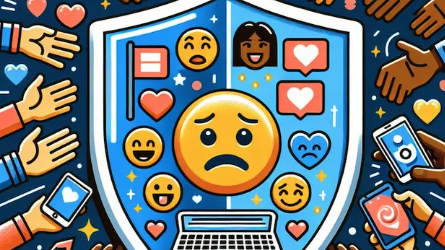
Empowering Students: Effective Responses to Hate Speech and Online Negativity
This space is designed to help middle school students understand and confront online hate speech and negativity. It provides strategies to foster digital empathy, teaches students how to become upstanders rather than bystanders, and encourages positive online behavior through interactive scenarios. The objective is to empower students to navigate digital spaces safely and respectfully while standing up against cyberbullying.
Staying Safe Online: Recognizing and Responding to Internet Scams
This space equips middle school students with the knowledge to identify and respond to online threats, emphasizing the importance of cybersecurity. Through interactive discussions and scenario-based activities, students will learn to recognize various internet scams, understand the concept of identity theft, and adopt safe online practices. The curriculum aligns with digital citizenship standards, focusing on maintaining privacy and ethical online behavior.

Understanding Data Collection: Protecting Your Privacy Online
In the digital age, understanding data collection practices and protecting privacy is crucial for students. This space is designed to help middle school students grasp the extent of data collection online and equip them with practical tips to safeguard their personal information. Educators can use this space to facilitate discussions on digital footprints, targeted advertising, and ethical data management.

Managing Your Digital Footprint: Understanding Online Privacy
In a digital age where privacy is often compromised, empower your middle school students with the knowledge to manage their digital footprints. This space provides an interactive learning environment where they can understand the impact of their online activities, learn about targeted advertising, and adopt strategies to protect their privacy.
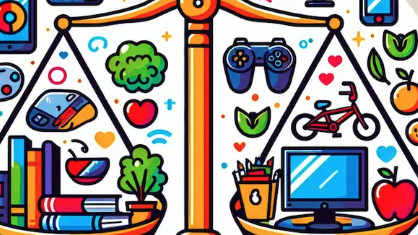
What Does Media Balance Mean to You?
What Does Media Balance Mean to You? This space is designed for middle school students to engage in critical thinking about their media consumption habits. By exploring the concept of media balance, students will reflect on their daily media choices, discuss the impact of those choices, and formulate a personalized media plan. The lesson targets important digital literacy standards and helps students understand the long-term significance of their digital footprint.
Digital Well-being: Crafting Your Own Balanced Media Routine
In the digital age, it’s crucial for students to develop a conscious and balanced relationship with technology. This space is designed to help students critically evaluate their digital media consumption and create a personal media routine that promotes their well-being. Students will reflect on the impact of their online habits, discuss the importance of self-control and offline time, and develop a set of personal guidelines to achieve a healthy digital balance.
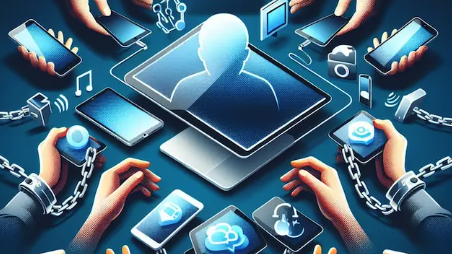
Hooked on Screens: Exploring the Impact of Digital Media on Balance
This space delves into the ways digital media is designed to capture our attention and the potential impact on our lives. Through engaging discussions and activities, students will investigate how digital media supports or challenges their ability to make positive media choices, reflect on the value digital media adds to their lives, and consider strategies for healthy digital habits.

Navigating the Web: Techniques for Finding Credible Information Online
Teach middle school students to navigate the digital information maze with critical eyes. This space focuses on understanding the prevalence of misinformation and developing practical skills to evaluate the credibility of online sources. Students will learn to identify and debunk fake news, assess various types of information, and use effective research strategies to find trustworthy data and resources.
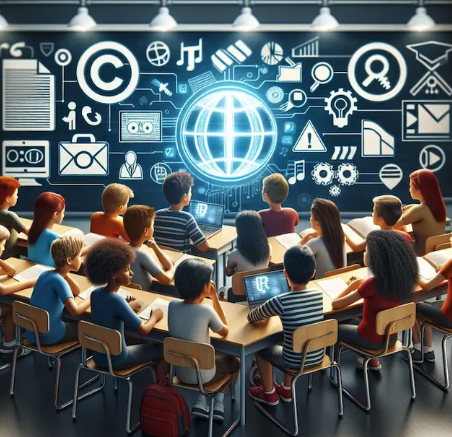
From Creation to Sharing: What Middle Schoolers Need to Know About Copyright
This educational space provides middle school teachers with a comprehensive guide on teaching copyright, fair use, and public domain concepts. The interactive lessons will help students to understand their rights and responsibilities as both creators and consumers of media. It is aligned with the objectives of fostering respect for intellectual property and promoting legal and ethical online behavior.
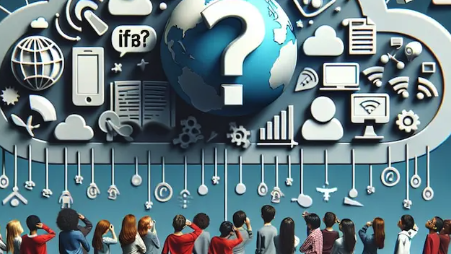
Fact or Fiction? Analyzing the Challenges of Real-Time News Reporting
In this space, middle school students will delve into the fast-paced world of real-time news reporting. They will learn to define and identify breaking news, analyze the accuracy of rapid news alerts, and understand the impact of an ‘always-on’ media environment. Students will develop critical thinking skills to distinguish fact from fiction and consider the consequences of misinformation in the digital age.


 Next Gen Life